If you’ve recently come across the term “pavatalgia,” chances are you’re feeling confused—and maybe even worried. A question like “How long can I live with pavatalgia?” often comes from a place of fear. It’s natural to wonder whether a condition affecting your body could shorten your life.
Here’s the reassuring truth: in most cases, conditions related to what people call “how long can i live with pavatalgia?” are not life-threatening. Instead, they are usually linked to nerve-related issues such as neuralgia or paresthesia.
In this guide, we’ll break everything down in simple, clear language—so you understand what’s happening in your body and what it means for your future.
What Is Pavatalgia?
Let’s clear up the confusion first.
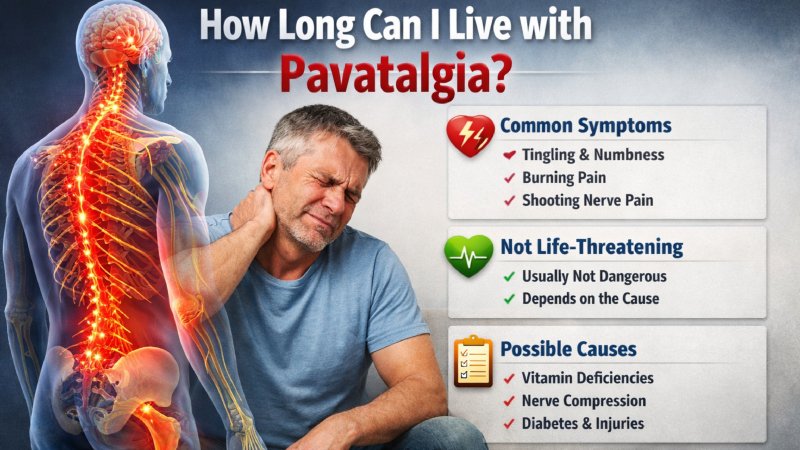
“Pavatalgia” is not an official medical diagnosis. However, it is often used informally to describe nerve-related discomfort, including:
- Tingling sensations
- Burning pain
- Numbness
- Sharp, shooting pain
These symptoms closely match conditions like paresthesia, which causes abnormal sensations, and neuralgia, which involves nerve pain.
So, if you’re searching for pavatalgia, you’re most likely dealing with a nerve-related issue, not a fatal disease.
Is Pavatalgia Life-Threatening?
Let’s address the biggest concern directly.
No—pavatalgia itself is not life-threatening.
However, there’s an important detail: the underlying cause matters.
In many cases, nerve-related symptoms are caused by manageable conditions such as the following:
- Vitamin deficiencies
- Minor nerve compression
- Temporary injuries
That said, sometimes these symptoms can be linked to chronic illnesses like diabetes, which require long-term management.
Even then, the nerve symptoms themselves don’t usually reduce life expectancy—the underlying condition might, if left untreated.
How Long Can You Live With Pavatalgia?
Now to the core question.
👉 Short Answer:
You can live a normal, full lifespan in most cases.
👉 Detailed Answer:
Your life expectancy depends on one key factor:
What’s causing the nerve symptoms?
Let’s break it down:
1. Temporary Causes
If your symptoms come from:
- Poor posture
- Sleeping on a nerve
- Mild injury
👉 These usually go away on their own and have zero impact on lifespan.
2. Nutritional Deficiencies
For example:
- Low Vitamin B12
👉 Once treated, symptoms often improve significantly.
3. Chronic Conditions
Such as:
- Diabetes
- Autoimmune disorders
👉 These require ongoing care, but many people still live long, healthy lives with proper management.
Common Causes of Pavatalgia-Like Symptoms
Understanding the cause is the key to peace of mind.
1. Nerve Compression
- Herniated discs
- Poor posture
- Repetitive strain
2. Metabolic Disorders
- Diabetes can damage nerves over time
3. Vitamin Deficiencies
- Especially Vitamin B12
- Can lead to tingling and numbness
4. Injuries
- Trauma or accidents
- Sports-related nerve damage
5. Infections or Neurological Conditions
- Less common but possible
Symptoms You Should Not Ignore
While most cases are harmless, some symptoms need attention.
Watch out for:
- Sudden, severe numbness
- Loss of muscle control
- Difficulty walking
- Sharp, worsening pain
👉 These could indicate a more serious nerve issue and should be checked by a doctor.
How Is Pavatalgia Treated?
Treatment depends entirely on the cause. However, here are the most common approaches:
1. Medications
- Pain relievers
- Nerve-calming drugs
2. Physical Therapy
- Improves mobility
- Reduces pressure on nerves
3. Lifestyle Changes
- Better posture
- Regular exercise
- Balanced diet
4. Supplements
- Vitamin B12
- Magnesium
5. Treating the Root Cause
- Managing **Diabetes
- Addressing injuries
Can Pavatalgia Be Cured?
The answer depends on the cause.
✔ Reversible Cases:
- Nutritional deficiencies
- Minor nerve compression
👉 Often fully recoverable
❗ Chronic Cases:
- Long-term nerve damage
- Chronic illness
👉 Not always curable, but manageable
The good news? Even chronic nerve conditions can be controlled effectively with the right care.
Tips to Live a Long and Healthy Life
If you’re dealing with nerve-related symptoms, these habits can make a huge difference:
1. Stay Active
Regular movement improves blood flow and nerve health.
2. Eat a Balanced Diet
Focus on:
- Vitamins
- Minerals
- Whole foods
3. Manage Chronic Conditions
Especially **diabetes.
4. Avoid Alcohol and Smoking
Both can worsen nerve damage.
5. Reduce Stress
Stress can intensify nerve pain and discomfort.
When Should You See a Doctor?
Don’t ignore symptoms if they:
- Last more than a few days
- Keep getting worse
- Affect your daily life
Early diagnosis can prevent complications and improve your quality of life.
FAQs
Is palatalgia permanent?
Not always. Many cases are temporary and treatable.
Can pavatalgia go away on its own?
Yes, especially if caused by minor nerve irritation or posture issues.
Does pavatalgia affect life expectancy?
No, it usually does not impact lifespan.
Is Patalgia dangerous?
In most cases, it’s not dangerous—but underlying causes should be checked.
Conclusion
Hearing unfamiliar medical terms can be stressful, especially when they involve your nerves or physical sensations. However, if you’re wondering, “How long can I live with pavatalgia?” the answer is reassuring.
In the vast majority of cases, you can live a long, normal life.
The key lies in understanding what’s causing your symptoms and taking the right steps to manage them. Whether it’s improving your diet, treating an underlying condition, or simply adjusting your daily habits, small changes can lead to big improvements.
If your symptoms persist, don’t guess—get proper medical advice. Peace of mind comes from clarity, not uncertainty.