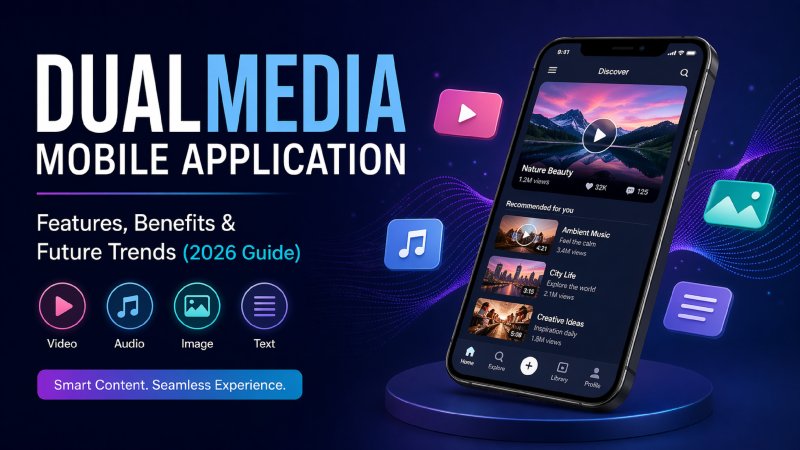
Mobile applications have evolved far beyond simple tools. Today, users expect immersive, fast, and engaging experiences. This is where the concept of a application mobile dualmedia comes into play. These apps combine multiple types of media—such as video, audio, images, and text—into a single seamless platform.
In 2026, the demand for such apps is growing rapidly. Platforms like TikTok and Instagram have already proven how powerful multi-format content can be. As a result, developers and businesses are now focusing on building applications that deliver a richer and more interactive user experience.
In this article, you’ll learn what a dualmedia mobile application is, how it works, its key features, benefits, and what the future holds.
What is a DualMedia Mobile Application?
A application mobile dualmedia is a type of app designed to support and integrate two or more forms of media within one platform. Instead of focusing on just one format—like text or video—these apps allow users to interact with multiple media types simultaneously.
For example, a dualmedia app might let users:
- Watch videos while reading captions
- Listen to audio alongside visual slides
- Share images with embedded text or voice
This combination enhances the overall experience and keeps users engaged for longer periods.
Why DualMedia Apps Are Trending in 2026
The rise of high-speed internet and powerful smartphones has changed user behavior. People now prefer dynamic and interactive content over static information.
Several factors are driving the popularity of application mobile dualmedia apps:
1. Content Consumption Habits
Users prefer short, engaging content that mixes visuals and audio. Apps like YouTube have influenced this trend by offering diverse content formats.
2. Social Media Evolution
Modern platforms combine reels, stories, live streams, and text posts—all in one place.
3. Improved Technology
Cloud computing, AI, and faster processors make it easier to handle multiple media formats efficiently.
Key Features of DualMedia Mobile Applications
To stand out, a dualmedia app must offer powerful and user-friendly features.
Multi-Format Media Support
These apps allow users to upload and interact with videos, audio files, images, and text without switching platforms.
Real-Time Interaction
Users can comment, share, and react instantly, creating a more engaging environment.
AI-Powered Recommendations
Smart algorithms suggest relevant content based on user preferences and behavior.
Cloud Synchronization
Data is stored securely and accessible across multiple devices.
Offline Access
Many apps allow users to download content and access it without an internet connection.
How DualMedia Mobile Applications Work
Behind the smooth interface of these apps lies a complex system of technologies.
Frontend (User Interface)
The frontend is designed to handle multiple media types smoothly. It ensures users can switch between formats without delays. See more
Backend Systems
The backend manages data storage, user accounts, and content delivery. Platforms often rely on cloud services to ensure scalability.
Integration with External Platforms
Many application mobile dualmedia apps integrate with platforms like YouTube to enhance content availability and sharing options
Top Use Cases of DualMedia Apps
Dualmedia applications are used across various industries.
1. Social Media Platforms
Apps combine photos, videos, and text to create engaging user-generated content.
2. E-Learning Applications
Students can watch lectures, listen to audio explanations, and read notes in one place.
3. Entertainment Platforms
Streaming services offer video along with subtitles, audio tracks, and interactive features.
4. Business and Marketing
Brands use dualmedia apps to create engaging campaigns that include videos, infographics, and storytelling.
Benefits of DualMedia Mobile Applications
Enhanced User Engagement
Combining multiple media types keeps users interested and increases time spent on the app.
Better Communication
Information is easier to understand when presented through different formats.
Higher Retention Rates
Users are more likely to return to apps that offer rich and interactive experiences.
Versatility
These apps cater to different user preferences, whether someone prefers watching, reading, or listening.
Challenges and Limitations
Despite their advantages, dualmedia apps also face several challenges.
High Data Usage
Media-rich apps consume more internet data, which can be a concern for some users.
Performance Issues
Handling multiple media formats requires optimized performance to avoid lag.
Storage Requirements
These apps often take up more space on devices.
Privacy Concerns
With more data being shared, security becomes a critical factor.
Best DualMedia Mobile Applications in 2026
Here are some popular apps that effectively use the dualmedia concept:
- TikTok – Combines video, audio, and interactive effects
- Instagram – Offers reels, stories, and image posts
- YouTube – Integrates video, text, and live streaming
These platforms continue to dominate because they provide diverse content in one place.
Future of DualMedia Mobile Applications
The future of application mobile dualmedia apps looks promising. Emerging technologies will take these apps to the next level.
Artificial Intelligence
AI will personalize content more accurately, improving user experience.
Augmented and Virtual Reality
AR and VR will add immersive layers to dualmedia content.
5G Technology
Faster internet speeds will make high-quality media streaming seamless.
Increased Personalization
Apps will adapt in real-time based on user behavior and preferences.
How to Build a DualMedia Mobile Application
If you’re planning to develop your own app, here are the key steps:
- Define Your Purpose—Identify your target audience and app goals
- Choose the Right Technology Stack—Use scalable frameworks and tools
- Focus on UI/UX Design – Ensure smooth navigation between media types
- Implement Strong Backend Support—Use cloud-based solutions
- Test and Optimize—Ensure performance across devices
FAQs
What is a dualmedia mobile application?
A application mobile dualmedia application supports multiple types of media, such as video, audio, and text, within a single platform.
Why are dualmedia apps popular?
They provide a more engaging and interactive user experience compared to single-format apps.
Are dualmedia apps data-heavy?
Yes, they can consume more data due to rich media content.
Can businesses benefit from dualmedia apps?
Absolutely. They help improve engagement, marketing effectiveness, and customer retention.
Conclusion
The dualmedia mobile application is shaping the future of digital interaction. By combining multiple content formats into a single platform, these apps provide a richer, more engaging experience for users.
As technology continues to evolve, application mobile dualmedia apps will become even more powerful and widespread. Whether you are a developer, business owner, or everyday user, understanding this trend can help you stay ahead in the digital world.